
WGM MAHALAKSHMI M.
The Nine-Year Wait for WGM Ends
From World U-18 Champion and WIM in 2015 to Woman Grandmaster in 2026, Mahalakshmi Muguda Kumar’s long wait for the title is finally over.
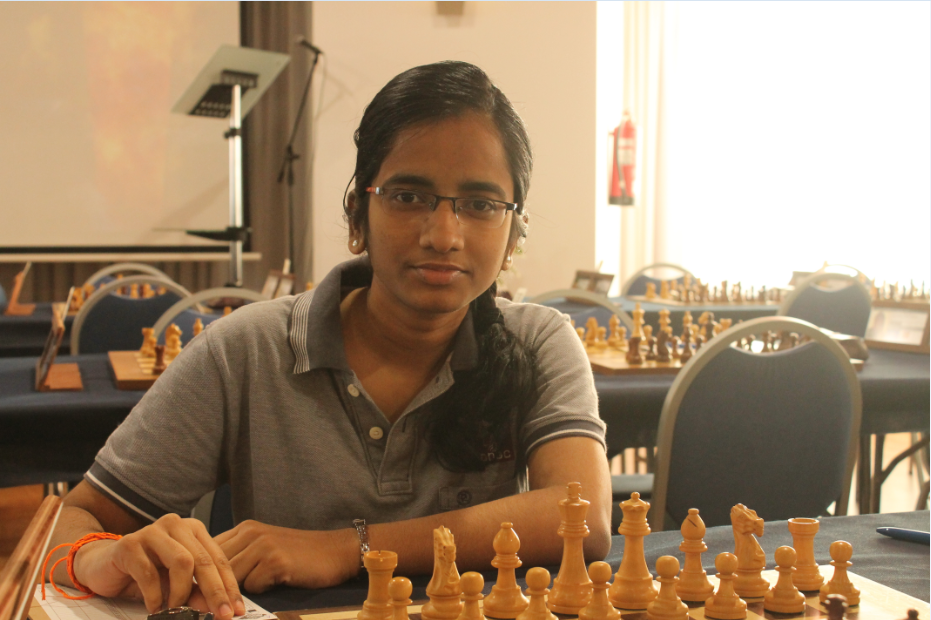
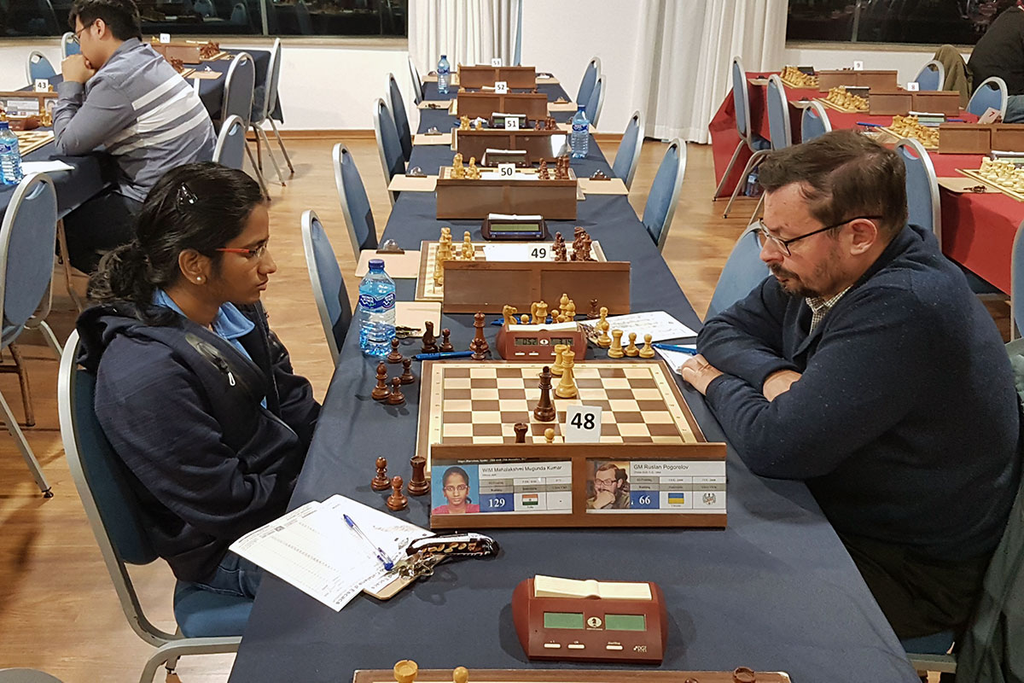
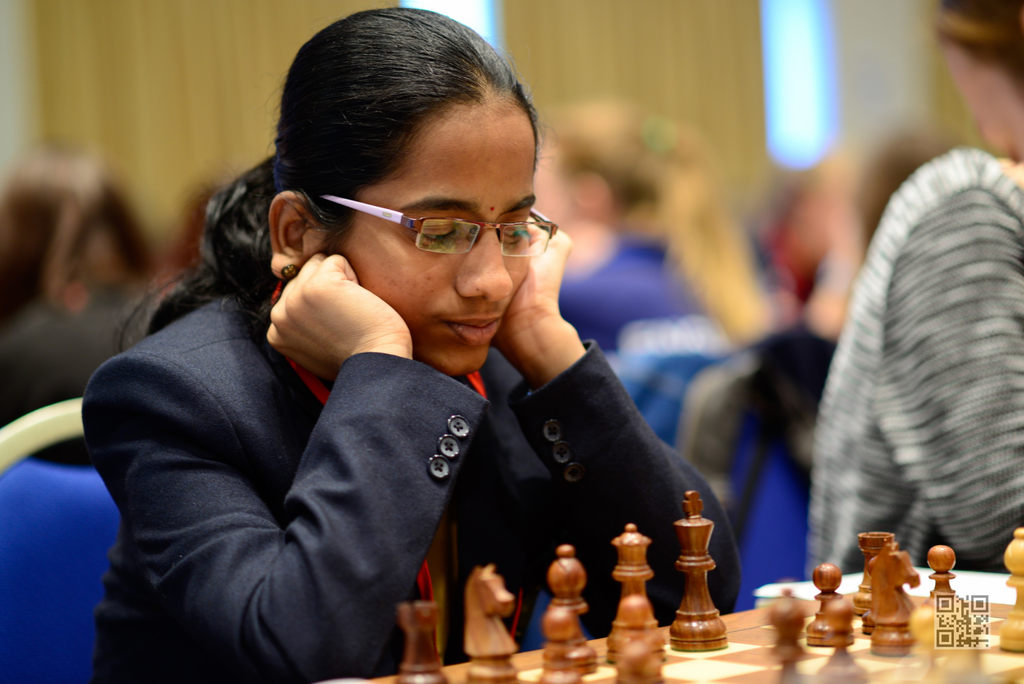
The Nine-Year Wait for WGM
SNine years is a long time in chess.
In 2015, Mahalakshmi Muguda Kumar became the World U-18 Girls Champion and earned the WIM title, along with her first WGM norm.
The next step seemed obvious: become a Woman Grandmaster.
But the title did not come quickly.
There were tournaments, strong performances, norms and several years of waiting. Mahalakshmi eventually completed the requirements with three WGM norms.
Then, in 2026, the wait finally ended.
Mahalakshmi became a Woman Grandmaster.
The title is more than another line on her chess résumé. It closes a chapter that began when she was a young world champion in 2015.
Nine years later, the three letters WGM finally belong beside her name.
Her Journey of Chess
Mahalakshmi’s journey began as a young talent who quickly established herself on the international stage.
She became World Under-14 Girls Champion in 2012, and three years later returned to win the World Under-18 Girls Championship.
The 2015 title was particularly significant. It brought her the WIM title and her first WGM norm, marking her arrival among India’s strongest young female players.
But senior chess brings a different challenge.
The junior trophies become memories. The opponents become stronger. Ratings become harder to gain, and norms require not just good chess but the right results against the right opposition.
Mahalakshmi continued competing through those years, building experience and collecting more WGM norms along the way.
There were also important performances outside the title race, including an IM norm at the Abu Dhabi Chess Festival in 2019.
Her journey therefore wasn’t a straight climb.
It was a long chess career with its share of setbacks, strong performances and unfinished goals — until 2026 finally brought the title she had been chasing since she was a teenager.
The Game – The Higher-Rated Giant Falls
Against a 2413-rated opponent, Mahalakshmi turned patient positional play into a spectacular king hunt.
M Mahalakshmi (2232) – Abel Lazaro Pujol (2413), Semana Santa Open-A, Spain, 3 April 2026
The game began with an East Indian Defense, and Mahalakshmi gradually gained space on the queenside with b4, b5 and a4.
The move 16.b4 was an important positional decision. Rather than immediately looking for tactics, White restricted Black’s queenside pieces and created more room for her own.
After 29.Nd2 Bxd2 30.Rxd2, Mahalakshmi’s pieces became increasingly active. The rooks were particularly well placed on the second and third ranks, while Black’s queen moved repeatedly between h6, h5 and h4 searching for counterplay.
The decisive phase started with: 34.Bg4! f5 35.exf5 gxf5 36.Bxf5
White opened the position at exactly the right moment.
After 37.Qxa4 Nxa4, the queens disappeared, but White’s attack continued. The rooks invaded through the f-file with 43.Rf8+!, forcing an exchange and allowing the remaining rook to penetrate.
Then came 45.Rg8+!, followed by the beautiful bishop manoeuvre 46.Bc1+ and 47.Bg4+.
The final 48.Rxg6 ended Black’s resistance.
Mahalakshmi had defeated a player rated 181 points higher.
The Lesson:
Build the position patiently, improve your pieces, and when the opponent’s king becomes vulnerable, calculate and attack without hesitation.
Reaching WIM in 2015
Before the nine-year WGM journey began, Mahalakshmi had already achieved something extraordinary.
In 2015, she became the World Under-18 Girls Champion.
That victory in Greece was the defining achievement of her junior career and brought her the WIM title.
It also gave her the first of her WGM norms.
At that point, Mahalakshmi had already achieved what many young players dream of: a world championship and an international title.
But the WGM title remained unfinished business.
What followed was not a lack of ability. It was the reality of competitive chess — where a title can depend on years of tournaments, performance, opportunities and consistency.
The first WGM norm came in 2015.
The title came in 2026.
That nine-year gap is what makes the achievement special.
What Makes WGM Special?
Three letters can hide years of work.
WGM — Woman Grandmaster — is one of FIDE’s international titles, awarded to players who meet the required title conditions through rating and norm achievements.
For Mahalakshmi, it represents something more personal.
She had already been a world champion.
She had already become a WIM.
She had already demonstrated that she could compete at a high level.
But the WGM title remained incomplete.
That is why her 2026 achievement isn’t simply another milestone.
It is the completion of a journey that began nine years earlier.
Chess careers are often described through ratings and titles, but the timeline between those milestones can tell a much richer story.
For Mahalakshmi, that timeline stretches from a teenage world champion in 2015 to an experienced player finally becoming a Woman Grandmaster in 2026.
The wait is over.
Beyond the Chess
Mahalakshmi’s relationship with chess extends beyond her own games.
She is also involved in coaching, bringing the experience accumulated through years of competitive chess to the next generation.
That creates an interesting second dimension to her career.
The young player who once travelled to world championships is now also helping other players learn, prepare and improve.
It is one of the quieter ways a chess career grows.
A player first learns from others.
Then competes.
Then, eventually, begins passing that knowledge forward.
For Mahalakshmi, the WGM title adds another chapter to that journey — but it doesn’t have to be the final one.
The Road Ahead
The nine-year wait is finally over.
Mahalakshmi M. is now a Woman Grandmaster.
But titles don’t end chess careers. They give them new starting points.
She now moves forward with the experience of a former world champion, a WIM, a WGM and a player who has spent years competing at the highest levels of Indian and international women’s chess.
There is still plenty of chess ahead.
More tournaments.
More strong opponents.
More opportunities to push her rating higher.
And perhaps, for the young players she coaches, a chance to become part of their own long journeys.
In 2015, Mahalakshmi earned her first WGM norm as a teenager.
In 2026, she finally completed the journey.
Nine years. Three WGM norms. One long wait.
And now, finally: Mahalakshmi Muguda Kumar — WGM.
The wait is over. The next chapter begins.